MCV FAQ: Why Is My Cat Coughing? Understanding Feline Bronchial Issues
Updated: Sep 22, 2025
Coughing in cats isn’t something you hear every day, so when it does happen, it can be a bit unsettling. Unlike dogs, cats are more discreet about signs of illness, and when a cough shows up, it’s worth paying attention.
Let’s take a look at why cats cough, what it might mean, and when it’s time to call us.
First, Is It Really a Cough?
Some cat owners mistake coughing for "bringing up hairballs". While both can involve some odd sounds and gagging motions, they come from different parts of the body. Hairballs involve the stomach and end with vomiting a clump of fur. Coughing, on the other hand, comes from the chest and often sounds more like a wheeze, hack, or forced exhale—and usually, nothing comes up.
Take a look at the video below to see a cat coughing. We're also happy to let you know if you email a video of your own cat.
Common Causes of Coughing in Cats
1. Feline Asthma
One of the more frequent reasons for a coughing cat is asthma. It’s an allergic condition that causes inflammation in the airways, leading to coughing, wheezing, and labored breathing. It can range from mild to more serious, and in some cases, an inhaler might even be part of the treatment plan.
2. Respiratory Infections
Cats can get infections from viruses or bacteria that cause inflammation in the lungs or airways. These might come with other symptoms like sneezing, nasal discharge, or a decrease in appetite. Young cats, or those from shelters or multi-cat households, may be more at risk.
3. Irritants
Just like people, cats can react to things in the air. Dust, pollen, cigarette smoke, air fresheners, or even litter dust can all cause irritation that leads to coughing. If the coughing started after a change in your home, this could be a clue.
4. Bronchitis
Bronchitis in cats refers to inflammation of the lower airways. It’s often part of feline asthma but can also be its own condition. It leads to a chronic cough that may come and go or be more persistent.
5. Parasites
Some internal parasites, like lungworms or even heartworms (in certain areas), can cause coughing. These are less common in Melbourne but still possible, especially in cats that have travelled from mosquito-heavy regions in northern Australia.
What to Watch For
A one-time cough might not be a big deal. But if your cat is coughing regularly—especially if it’s happening in short fits or followed by heavy breathing—it’s time to take notice.
You should also watch for:
Coughing that gets worse with activity
Open-mouth breathing
Blue-tinged gums
Lethargy or hiding
Reduced appetite
These could be signs that the lungs or airways are under stress.
What Our Vet Might Do
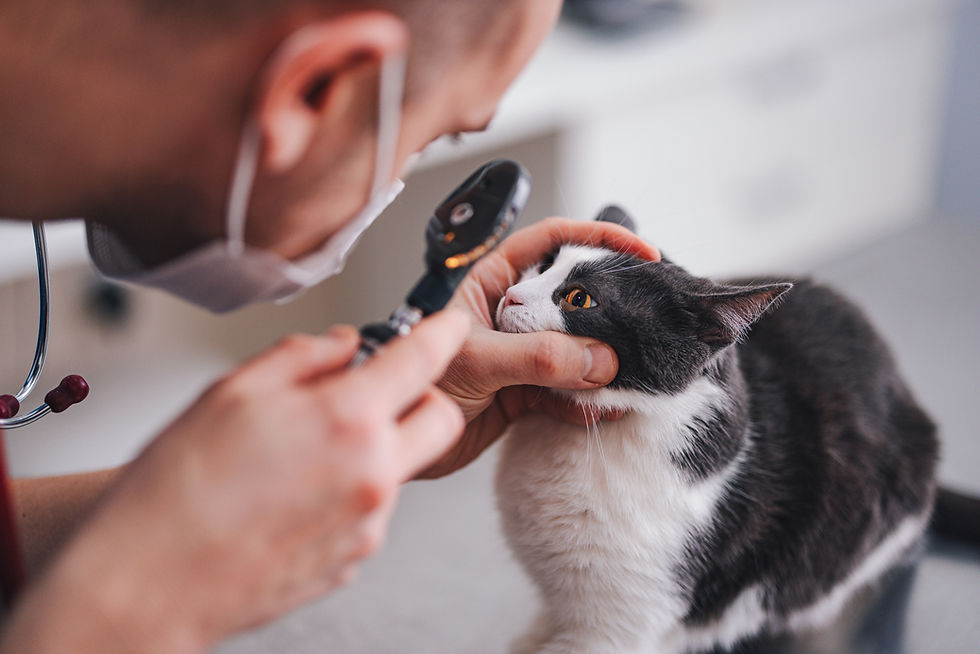
If you bring your cat in for coughing, our vet will likely ask how long it’s been going on, how often it happens, and whether there are any other symptoms. They might recommend chest X-rays, bloodwork, or testing for parasites. In certain cases sampling from the airway under general anaesthetic may be indicated.


Depending on the cause, treatment could range from anti-inflammatory medications and/or bronchodilators or even changes in the home environment to reduce triggers.
Conclusion
Coughing in cats isn’t something to ignore, especially if it keeps happening. While it might be mild and manageable, it could also be pointing to an issue in the lungs or airways that needs attention. If your cat sounds like they’re hacking but not bringing anything up—or if they seem to be struggling to breathe—don’t wait too long to get them checked out.
A bit of observation and a timely vet visit can make a big difference in helping your cat breathe easier.